
-
Phone:
+1 203 212 9934 -
E-mail:
contact@europeancrewcenter.com
I ntroduction to Maritime Incidents and Claim Foundations
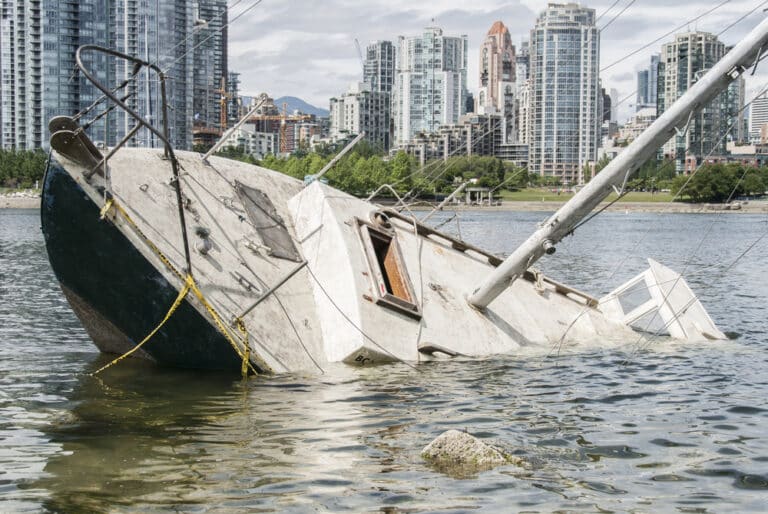
Boating accidents often leave a trail of devastating consequences, ranging from severe physical trauma and property destruction to the tragic loss of life. Whether an incident occurs on a tranquil lake or the high seas, the inherent risks of maritime travel demand strict adherence to safety protocols. When an injury occurs, victims are thrust into a world of physical recovery compounded by dauntingly complex legal hurdles.
Recognizing the primary catalysts of these accidents and their legal ramifications is vital for those seeking justice. Partnering with a specialized maritime attorney is often the deciding factor in successfully managing these complexities and securing a favorable outcome in an injury claim.
Financial recovery in these cases is designed to address the significant costs associated with:
-
Traumatic brain and spinal cord injuries
-
Complex bone fractures and soft tissue damage
-
Severe emotional and psychological trauma
-
Fatalities and wrongful death expenses
Frequent Catalysts of Maritime Accidents
The majority of maritime incidents are rooted in human error or preventable negligence. Operator misconduct is a leading factor, often involving excessive speed, reckless maneuvering, failure to maintain a proper lookout, or operating while impaired by substances. Furthermore, inexperienced or distracted operators may neglect essential navigation rules or vessel maintenance, resulting in collisions, allisions (striking stationary objects), or capsizing. Beyond human error, accidents are frequently caused by mechanical failure, hazardous weather, vessel overcrowding, or a lack of functional safety equipment.
Navigating Liability and Legal Consequences
When a maritime injury is the result of an operator’s negligence or a third party’s wrongful act, the law provides a pathway for accountability. Victims are entitled to pursue claims for medical costs, lost earning capacity, and general pain and suffering. However, these cases are rarely straightforward; they are governed by specialized maritime regulations that differ fundamentally from land-based personal injury laws.
Establishing liability requires a forensic approach—analyzing vessel logs, operator history, weather data, and safety compliance. A proficient maritime lawyer is essential for gathering this evidence and negotiating with insurance carriers who often seek to minimize payouts.
The Role of Maritime Law in Accident Claims
Maritime law, or admiralty law, is a distinct legal jurisdiction governing activities on navigable waters. It operates under a unique set of statutes, such as the Jones Act and the Longshore and Harbor Workers’ Compensation Act, alongside various international treaties. These laws are specifically crafted to handle the intricacies of navigation and maritime commerce, ensuring protection for passengers and crew alike.
At Lipcon, Margulies & Winkleman, P.A., our attorneys possess the specialized depth of knowledge required to navigate this intricate landscape. We understand that maritime cases demand a mastery of federal statutes and specific case law precedents. Our team meticulously investigates every incident, collaborating with maritime experts to build undeniable cases. Whether addressing safety violations or wrongful death, we provide tailored representation to ensure our clients secure the full justice and compensation they are entitled to under the law.
Source: Lipcon, Margulies & Winkleman, P.A. (www.lipcon.com)
Formular cerere ofertă