
Arhive autor: admin
References in U.S. Coast Guard policy calling hate symbols “potentially divisive” were removed Thursday, and a U.S. senator said she was lifting a hold she had placed on a nomination for the service’s top job.
Homeland Security Secretary Kristi Noem, whose agency oversees the Coast Guard, said on social media that the latest changes were made so no one can “misrepresent” the branch’s position.
“The pages of superseded and outdated policy will be completely removed from the record so no press outlet, entity or elected official may misrepresent the Coast Guard to politicize their policies and lie about their position on divisive and hate symbols,” Noem said.
The move appears to cap off back-and-forth revisions to Coast Guard policy on swastikas, nooses and other hate symbols, which has sparked an uproar. The Department of Homeland Security has said there “was never a ‘downgrade’” in policy language.
Noem’s announcement came a day after Democratic Sen. Jacky Rosen of Nevada said she was holding up the nomination of Adm. Kevin Lunday for Coast Guard commandant because leadership appeared to have “backtracked” on a commitment that swastikas and nooses are considered hate symbols and prohibited from display.
Rosen said Thursday on social media that she was lifting the hold and looked forward to working with Lunday to continue strengthening anti-harassment policy at the Coast Guard.
“While I continue to have reservations about the process by which this happened and the confusion created by leadership at the Department of Homeland Security, I am pleased to see that the policy now directly refers to stronger language against swastikas and nooses,” she said.
Noem called the delay of Lunday’s nomination a “politicized holdup,” saying it had gone on long enough and he should be confirmed without delay.
“He has given nearly 39 years of distinguished service to the Coast Guard, this country, and the American people,” she said.
The Coast Guard’s planned policy change calling hate symbols „potentially divisive” emerged publicly last month. It stopped short of banning them, instead saying that commanders could take steps to remove them from public view and that the rule did not apply to private spaces, such as family housing.
DHS has said the change “strengthens our ability to report, investigate, and prosecute those who violate longstanding policy.”
The Coast Guard said on social media that it “maintains a zero-tolerance policy toward hate symbols, extremist ideology, and any conduct that undermines our core values. We prohibit the display or promotion of hate symbols in any form. Any suggestion otherwise is false.”
The Washington Post first reported the latest developments.
References in U.S. Coast Guard policy calling hate symbols “potentially divisive” were removed Thursday, and a U.S. senator said she was lifting a hold she had placed on a nomination for the service’s top job.
Homeland Security Secretary Kristi Noem, whose agency oversees the Coast Guard, said on social media that the latest changes were made so no one can “misrepresent” the branch’s position.
“The pages of superseded and outdated policy will be completely removed from the record so no press outlet, entity or elected official may misrepresent the Coast Guard to politicize their policies and lie about their position on divisive and hate symbols,” Noem said.
The move appears to cap off back-and-forth revisions to Coast Guard policy on swastikas, nooses and other hate symbols, which has sparked an uproar. The Department of Homeland Security has said there “was never a ‘downgrade’” in policy language.
Noem’s announcement came a day after Democratic Sen. Jacky Rosen of Nevada said she was holding up the nomination of Adm. Kevin Lunday for Coast Guard commandant because leadership appeared to have “backtracked” on a commitment that swastikas and nooses are considered hate symbols and prohibited from display.
Rosen said Thursday on social media that she was lifting the hold and looked forward to working with Lunday to continue strengthening anti-harassment policy at the Coast Guard.
“While I continue to have reservations about the process by which this happened and the confusion created by leadership at the Department of Homeland Security, I am pleased to see that the policy now directly refers to stronger language against swastikas and nooses,” she said.
Noem called the delay of Lunday’s nomination a “politicized holdup,” saying it had gone on long enough and he should be confirmed without delay.
“He has given nearly 39 years of distinguished service to the Coast Guard, this country, and the American people,” she said.
The Coast Guard’s planned policy change calling hate symbols „potentially divisive” emerged publicly last month. It stopped short of banning them, instead saying that commanders could take steps to remove them from public view and that the rule did not apply to private spaces, such as family housing.
DHS has said the change “strengthens our ability to report, investigate, and prosecute those who violate longstanding policy.”
The Coast Guard said on social media that it “maintains a zero-tolerance policy toward hate symbols, extremist ideology, and any conduct that undermines our core values. We prohibit the display or promotion of hate symbols in any form. Any suggestion otherwise is false.”
The Washington Post first reported the latest developments.
WPLG
WASHINGTON (AP) — A U.S. senator said Wednesday that she is pausing the nomination for the top Coast Guard job because leaders appeared to have “backtracked” on a commitment to ensure that swastikas and nooses are considered hate symbols and prohibited from being displayed.
Sen. Jacky Rosen, D-Nev., said Adm. Kevin Lunday’s nomination for Coast Guard commandant is on hold until she has clear answers.
“As it appears that Admiral Lunday may have backtracked on his commitment to me to combat antisemitism and hate crimes and protect all members of the Coast Guard,” Rosen posted on social media, „I will be placing a hold on his nomination until the Coast Guard provides answers.”
The situation is the last development in the Coast Guard’s revision of its policy on swastikas, nooses and other hate symbols, which has sparked an uproar. It comes as antisemitism has been on the rise, including a mass shooting targeting Jews celebrating Hanukkah at Sydney’s Bondi Beach that killed 15 people Sunday.
The Coast Guard’s planned policy change emerged publicly last month. It called symbols like swastikas and nooses “potentially divisive.” The new policy stopped short of banning them, instead saying that commanders could take steps to remove them from public view and that the rule did not apply to private spaces, such as family housing.
It was a shift from a yearslong policy that said such symbols were “widely identified with oppression or hatred” and called their display “a potential hate incident.”
The Department of Homeland Security, which oversees the Coast Guard, said there “was never a ‘downgrade’” in policy language.
Tricia McLaughlin, a DHS spokesperson, said in a statement that the change in fact “strengthens our ability to report, investigate, and prosecute those who violate longstanding policy.”
“The symbols listed in the policy include, but are not limited to, nooses, swastikas, and any symbols or flags that have been adopted by hate-based groups to represent supremacy, racial or religious intolerance, antisemitism, or any other form of bias,” McLaughlin said.
When the changes first emerged, Rosen and Sen. James Lankford, R-Okla., who lead a bipartisan antisemitism task force, pressed the Coast Guard for more information. The Coast Guard then released a memo in late November to make clear that “hate symbols and flags are prohibited.”
The Coast Guard, however, is sticking with the language that describes the display of nooses or swastikas as “potentially divisive” in the final policy published this week, according to a person familiar with the situation who was unauthorized to discuss it and spoke on the condition of anonymity.
The Coast Guard has insisted that the final policy is superseded by Lunday’s memo that ensured such symbols would be “prohibited,” the person said. But the final version of the new policy retains the wording that calls those items “potentially divisive.”
The Washington Post first reported on the new policy moving forward.
WASHINGTON (AP) — A U.S. senator said Wednesday that she is pausing the nomination for the top Coast Guard job because leaders appeared to have “backtracked” on a commitment to ensure that swastikas and nooses are considered hate symbols and prohibited from being displayed.
Sen. Jacky Rosen, D-Nev., said Adm. Kevin Lunday’s nomination for Coast Guard commandant is on hold until she has clear answers.
“As it appears that Admiral Lunday may have backtracked on his commitment to me to combat antisemitism and hate crimes and protect all members of the Coast Guard,” Rosen posted on social media, „I will be placing a hold on his nomination until the Coast Guard provides answers.”
The situation is the last development in the Coast Guard’s revision of its policy on swastikas, nooses and other hate symbols, which has sparked an uproar. It comes as antisemitism has been on the rise, including a mass shooting targeting Jews celebrating Hanukkah at Sydney’s Bondi Beach that killed 15 people Sunday.
The Coast Guard’s planned policy change emerged publicly last month. It called symbols like swastikas and nooses “potentially divisive.” The new policy stopped short of banning them, instead saying that commanders could take steps to remove them from public view and that the rule did not apply to private spaces, such as family housing.
It was a shift from a yearslong policy that said such symbols were “widely identified with oppression or hatred” and called their display “a potential hate incident.”
The Department of Homeland Security, which oversees the Coast Guard, said there “was never a ‘downgrade’” in policy language.
Tricia McLaughlin, a DHS spokesperson, said in a statement that the change in fact “strengthens our ability to report, investigate, and prosecute those who violate longstanding policy.”
“The symbols listed in the policy include, but are not limited to, nooses, swastikas, and any symbols or flags that have been adopted by hate-based groups to represent supremacy, racial or religious intolerance, antisemitism, or any other form of bias,” McLaughlin said.
When the changes first emerged, Rosen and Sen. James Lankford, R-Okla., who lead a bipartisan antisemitism task force, pressed the Coast Guard for more information. The Coast Guard then released a memo in late November to make clear that “hate symbols and flags are prohibited.”
The Coast Guard, however, is sticking with the language that describes the display of nooses or swastikas as “potentially divisive” in the final policy published this week, according to a person familiar with the situation who was unauthorized to discuss it and spoke on the condition of anonymity.
The Coast Guard has insisted that the final policy is superseded by Lunday’s memo that ensured such symbols would be “prohibited,” the person said. But the final version of the new policy retains the wording that calls those items “potentially divisive.”
The Washington Post first reported on the new policy moving forward.
WPLG
The United States seized an oil tanker off the coast of Venezuela as tensions mount with the government of President Nicolás Maduro.
“We’ve just seized a tanker on the coast of Venezuela, a large tanker, very large, largest one ever seized, actually,” President Donald Trump told reporters at the White House Wednesday, later adding that “it was seized for a very good reason.”
Trump did not offer additional details. When asked what would happen to the oil aboard the tanker, Trump said, “Well, we keep it, I guess.”
The seizure was led by the U.S. Coast Guard and supported by the Navy, according to a U.S. official who was not authorized to comment publicly and spoke on the condition of anonymity. The official added that it was conducted under U.S. law enforcement authority.
Storming the oil tanker
The Coast Guard members were taken to the oil tanker by helicopter from the aircraft carrier USS Gerald R. Ford, the official said. The Ford is in the Caribbean Sea after arriving last month in a major show of force, joining a fleet of other warships.
Video posted to social media by Attorney General Pam Bondi shows people fast-roping from one of the helicopters involved in the operation as it hovers just feet from the deck.
The Coast Guard members can be seen later in the video moving throughout the superstructure of the ship with their weapons drawn.
Bondi wrote that “for multiple years, the oil tanker has been sanctioned by the United States due to its involvement in an illicit oil shipping network supporting foreign terrorist organizations.”
Venezuela’s government said in a statement that the seizure “constitutes a blatant theft and an act of international piracy.”
“Under these circumstances, the true reasons for the prolonged aggression against Venezuela have finally been revealed. … It has always been about our natural resources, our oil, our energy, the resources that belong exclusively to the Venezuelan people,” the statement said.
Half of ship’s oil is tied to Cuban importer
The U.S. official identified the seized tanker as the Skipper.
The ship departed Venezuela around Dec. 2 with about 2 million barrels of heavy crude, roughly half of it belonging to a Cuban state-run oil importer, according to documents from the state-owned company Petróleos de Venezuela S.A., commonly known as PDVSA, that were provided on the condition of anonymity because the person did not have permission to share them.
The Skipper was previously known as the M/T Adisa, according to ship tracking data. The Adisa was sanctioned by the U.S. in 2022 over accusations of belonging to a sophisticated network of shadow tankers that smuggled crude oil on behalf of Iran’s Revolutionary Guard and Lebanon’s Hezbollah militant group.
The network was reportedly run by a Switzerland-based Ukrainian oil trader, the U.S. Treasury Department said at the time.
Hitting Venezuela’s sanctioned oil business
Venezuela has the world’s largest proven oil reserves and produces about 1 million barrels a day.
PDVSA is the backbone of the country’s economy. Its reliance on intermediaries increased in 2020, when the first Trump administration expanded its maximum-pressure campaign on Venezuela with sanctions that threaten to lock out of the U.S. economy any individual or company that does business with Maduro’s government. Longtime allies Russia and Iran, both also sanctioned, have helped Venezuela skirt restrictions.
The transactions usually involve a complex network of shadowy intermediaries. Many are shell companies, registered in jurisdictions known for secrecy. The buyers deploy so-called ghost tankers that hide their location and hand off their valuable cargoes in the middle of the ocean before they reach their final destination.
Maduro did not address the seizure during a speech before a ruling-party organized demonstration in Caracas, Venezuela’s capital. But he told supporters that the country is “prepared to break the teeth of the North American empire if necessary.”
Maduro has insisted the real purpose of the U.S. military operations is to force him from office.
The seizure comes a day after the U.S. military flew a pair of fighter jets over the Gulf of Venezuela in what appeared to be the closest that warplanes had come to the South American country’s airspace. Trump has said land attacks are coming soon but has not offered more details.
This story uses functionality that may not work in our app. Click here to open the story in your web browser.
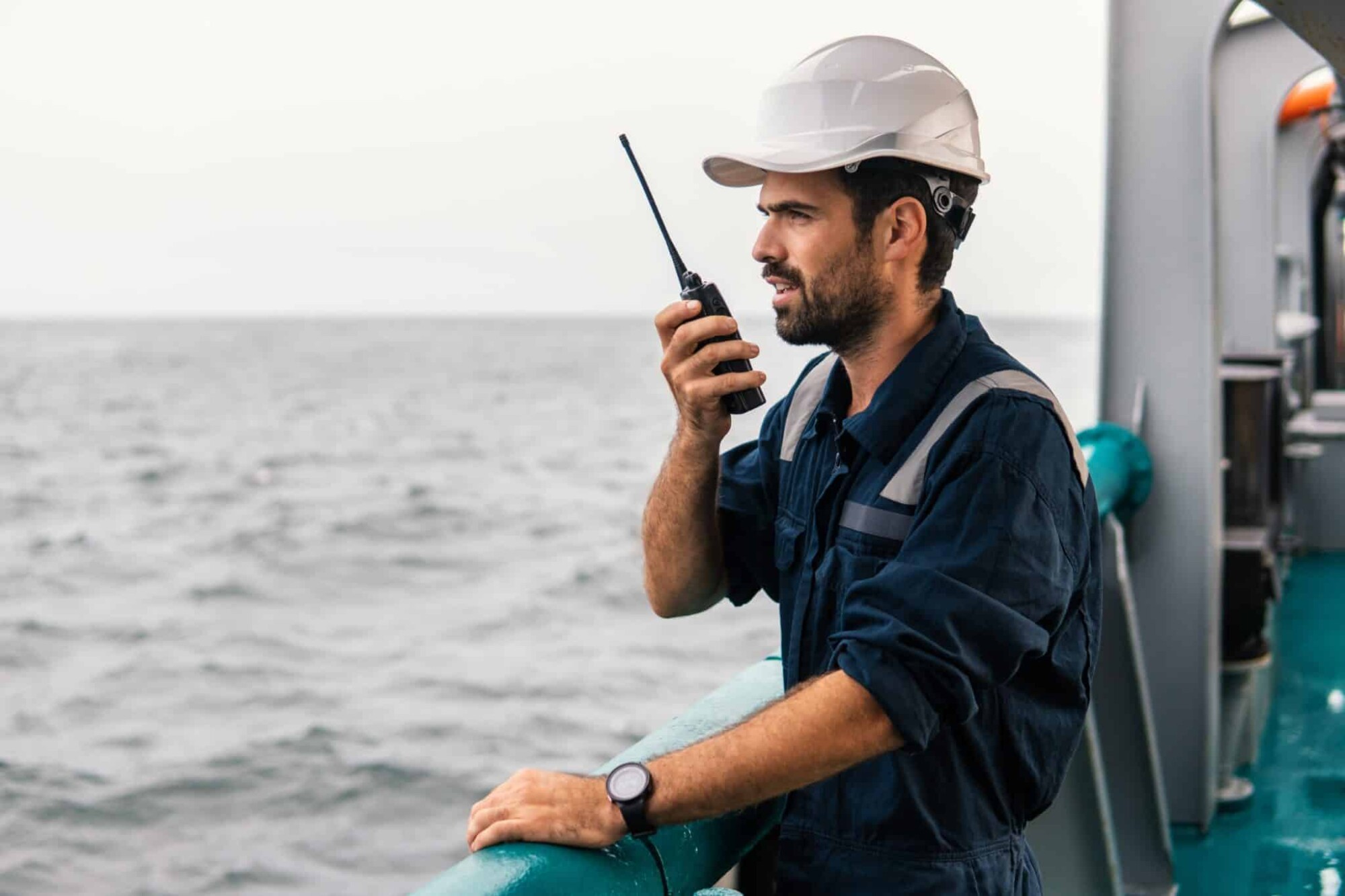
The Reality of Hazardous Work Environments at Sea
As a crew member on a cruise ship, you are entitled to a workplace that is as safe and secure as reasonably possible. While the goal is to operate without incident, the unique nature of a cruise ship presents various inherent risks. Like any other industrial environment, these vessels must be meticulously organized to prevent accidents. Issues such as improperly dried floors or overloaded storage shelves frequently lead to slips, trips, and injuries from falling objects.
Threats Posed by Inadequate Safety Protocols
Insufficient safety measures are a primary cause of crew injuries. Employers are mandated to implement strict protocols to mitigate risks, yet several common failures persist in the industry:
-
Manual Handling Strains: Crew members are often required to move excessive amounts of luggage without the aid of dollies, straps, or additional personnel, leading to debilitating back injuries.
-
Kitchen and Dining Hazards: The absence of non-slip mats in galleys or the lack of functioning trolleys for heavy restaurant trays creates a high-risk environment for falls and musculoskeletal damage.
-
Medical Negligence („Failure to Treat”): A recurring issue is the failure to provide proper medical care. Often, injured crew members are sent back to work with only painkillers, which frequently exacerbates the original injury.
The Long-Term Impact of Workplace Injuries
Injuries sustained at sea have profound physical, emotional, and financial consequences. Even a minor incident can create a „ripple effect” that alters a person’s life and the lives of their family members.
-
Physical & Financial: Certain injuries result in permanent limitations, drastically reducing future earning potential and sometimes making it impossible to return to maritime work.
-
Emotional: The trauma of a workplace accident can lead to anxiety, depression, and Post-Traumatic Stress Disorder (PTSD), adding therapy costs to an already heavy financial burden.
Focus: Back Injuries in the Maritime Industry
Back injuries are the most prevalent and severe health issues facing cruise ship staff. The physical demands of lifting heavy luggage, balancing large trays, and performing repetitive tasks put immense strain on the spine. These injuries range from simple muscle sprains to catastrophic herniated discs and spinal cord damage.
Recovery is often a prolonged process involving physical therapy, medication, or surgery. Because these injuries can be life-altering, it is crucial for cruise lines to enforce ergonomic standards. Crew members who suffer such injuries due to employer negligence have the legal right to seek compensation for their pain, medical bills, and lost income.
Legal Protections Under Maritime Law
The rights of individuals working at sea are governed by Admiralty Law. These regulations provide the framework for safety standards and employee protections within the international cruise industry.
-
The Jones Act: This essential federal law provides injured seamen the right to seek compensation for medical expenses (known as „cure”) and basic living costs (known as „maintenance”) during their recovery.
-
Flags of Convenience: It is important to note that many cruise lines register ships in foreign countries to bypass strict U.S. regulations. This practice often results in poorer working conditions and fewer inherent rights for the crew, making specialized legal knowledge essential for navigating claims.
Procedural Steps Following an Onboard Accident
If you are injured while working on a ship, the actions you take immediately following the event are critical:
-
Seek Medical Attention: Visit the ship’s infirmary immediately and request a formal medical report.
-
Incident Reporting: Obtain a copy of the official incident report from the ship’s authorities.
-
Exercise Caution: While you must notify your employer, avoid making verbal or written statements that could be interpreted as admitting fault for the accident.
-
Legal Review: Consult with a maritime legal specialist to understand your rights before discussing settlement offers with insurance adjusters or the cruise line’s representatives.
Source: Lipcon, Margulies & Winkleman, P.A. (www.lipcon.com)
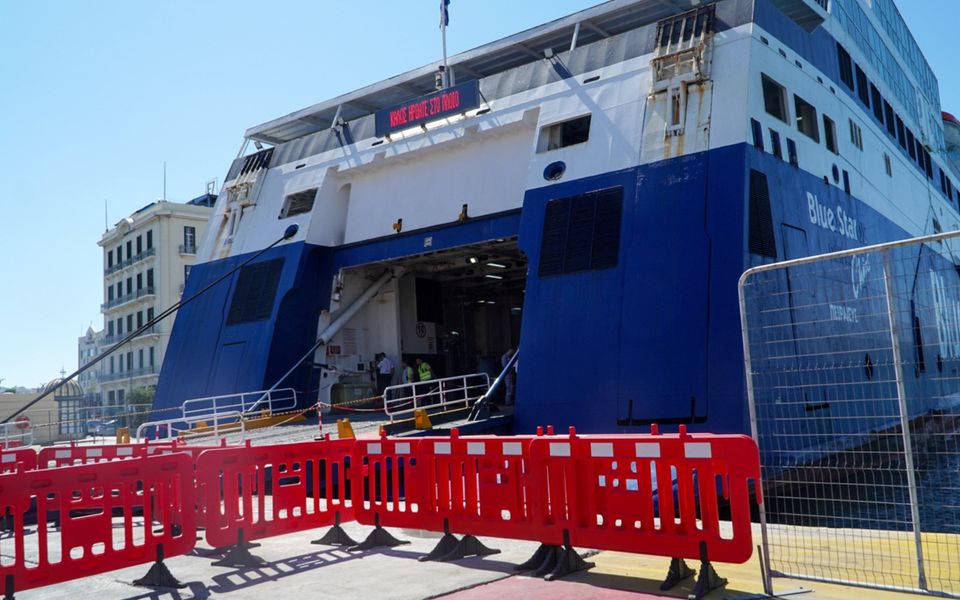
Tragedy Aboard the Blue Star Chios
Greek authorities have detained the captain and chief engineer of the Blue Star Chios ferry following the death of a 20-year-old crew member on Wednesday. The incident, which occurred in the vessel’s lower garage area, has sent shockwaves through the maritime community and sparked immediate industrial action.
The victim, a student at a private engineering school, had recently joined the vessel on September 15 as an engine room cleaner. Official records confirm he was a fully certified crew member, possessing basic maritime training credentials issued by the Cyprus Ministry of Shipping under international STCW standards.
Details of the Incident
The fatal injury occurred when the young sailor became caught in a watertight sliding door while heading to the engine room to begin his shift. Investigations revealed that the door system in the garage operates manually via a lever mechanism rather than being fully automated.
Key findings regarding the door operation include:
-
Manual Control: Each crew member is responsible for operating the system locally when entering or exiting.
-
Lever Pressure: The door moves only while continuous pressure is applied to the control lever.
-
Safety Protocols: Regulations strictly mandate that the door must be fully retracted before any crew member attempts to cross the threshold.
Authorities believe the entrapment occurred as the victim attempted to pass through the opening before the door had fully opened, or while the closing mechanism was simultaneously engaged.
Legal and Industrial Response
The ship’s captain and chief engineer have been charged with „manslaughter by negligence” and have appeared before a prosecutor. Despite company documents stating that the victim had received a full safety briefing and training on watertight door operations, the circumstances of the accident remain under intense scrutiny.
In response to the tragedy, Greek seafarers’ unions—specifically PEMEN and the Stephenson marine engineers’ union—announced a 24-hour strike on the vessel. The strike, which began Wednesday, halted operations until Thursday morning as a sign of protest and mourning.
Source: Official reports from maritime authorities and Greek Seafarers’ Unions (PEMEN).

Understanding the Power of the Jones Act
Established in 1920, the Jones Act (Merchant Marine Act) serves as a cornerstone of federal protection for maritime workers. Before this legislation, seamen were limited to seeking damages only if a vessel was proven „unseaworthy.” The Act revolutionized maritime law by allowing workers to pursue compensation for injuries resulting from the negligence of a crew member, a ship’s master, or the employer.
Under the Jones Act, maritime workers are entitled to a reasonably safe working environment. Crucially, this protection can extend beyond the vessel itself; for example, an injury occurring at an employer-funded hotel due to staff negligence may still qualify for a claim.
Defining „Seaman” Status
While the Act offers robust protections, it does not explicitly define who qualifies as a „seaman,” leaving that interpretation to the courts. Generally, a worker is considered a seaman if they spend at least 30 percent of their professional time serving on a seafaring vessel. This category typically includes:
-
Shipmasters and Captains
-
Officers
-
Permanent Crew Members
Grounds for Negligence and Recoverable Damages
If you qualify as a seaman, you can hold a vessel owner or master accountable for various forms of negligence, such as:
-
Inadequate supervision or faulty instructions.
-
Failure to provide necessary medical care or proper tools.
-
Negligence in hiring practices or staffing levels.
-
Failure to avoid hazardous weather conditions during navigation.
Victims of such negligence can pursue damages for medical expenses, lost wages, disability, mental anguish, and pain and suffering. In tragic cases of wrongful death, the victim’s family may also seek compensation for funeral costs and loss of support.
The Role of Punitive Damages and „Maintenance and Cure”
In rare cases where an employer’s conduct is particularly egregious or „heinous,” the court may award punitive damages. These are frequently seen in cases involving the denial of Maintenance and Cure—a no-fault benefit that provides a daily living allowance and medical coverage until the worker reaches Maximum Medical Improvement (MMI).
You may be eligible for punitive damages if your employer:
-
Willfully or callously refused to provide maintenance and cure.
-
Unreasonably delayed payments.
-
Terminated benefits without a valid cause.
The Legal Process and Statutes of Limitation
Time is a critical factor in maritime law. Jones Act claims are generally subject to a three-year statute of limitations starting from the date of the injury or the point at which the negligence became apparent.
To ensure the best outcome for a claim, workers should follow these essential steps:
-
Immediate Reporting: Notify the employer of the injury as soon as it occurs.
-
Medical Documentation: Obtain a detailed report from a physician regarding the injury and required treatment.
-
Cautious Statements: Avoid providing detailed accident reports to employers until consulting with legal counsel, as these statements can be used to limit liability.
The claims process is intricate and requires a deep understanding of federal statutes. Partnering with an experienced maritime attorney ensures that the right strategy is implemented to maximize financial recovery and hold negligent parties accountable.
Source: Lipcon, Margulies & Winkleman, P.A. (www.lipcon.com)
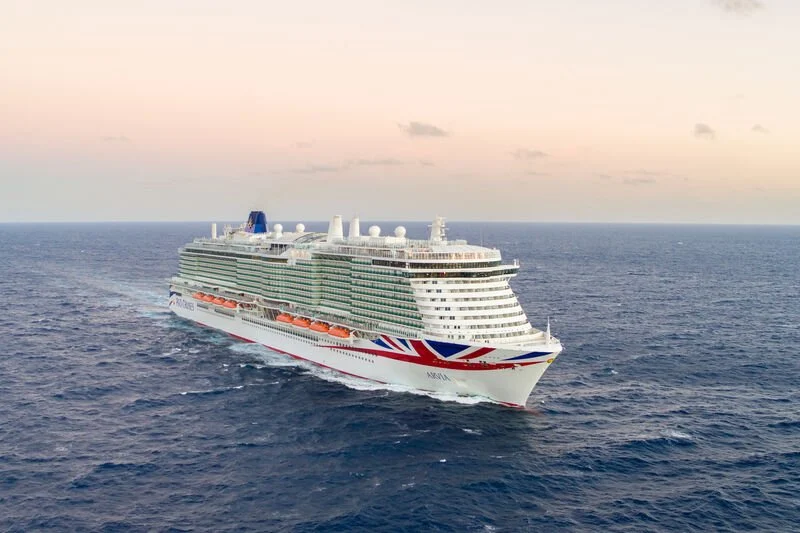
Incident Overview
British maritime authorities and press outlets have confirmed the death of a crew member following a tragic incident aboard the P&O cruise vessel Arvia. The fatality occurred just two days into a scheduled 14-day transatlantic voyage from the United Kingdom to the Caribbean.
The Arvia, a massive 185,581-gross-ton vessel, is among the largest cruise ships globally. Alongside its sister ship, the Iona, it stands as the largest cruise ship operating out of the UK. Launched in 2022, the vessel measures 344 meters in length and has the capacity to carry over 6,600 passengers and approximately 1,800 crew members.
Details of the Accident
In a brief official statement, P&O Cruises confirmed the occurrence of an onboard accident, expressing condolences to the victim’s family and colleagues. While the company did not provide specific details regarding the nature of the event, the UK’s Marine Accident Investigation Branch (MAIB) has officially categorized the incident as an „elevator shaft accident.”
The tragedy took place on October 26, 2024. Although the vessel is registered in Bermuda, the MAIB will conduct a thorough investigation on behalf of the Bermuda Shipping and Maritime Authority to determine the circumstances leading to the fatality.
Emergency Port Call
The Arvia was originally en route to its first scheduled stop in Tenerife. Following the accident, the ship diverted to Puerto de A Coruña on the northern coast of Spain. Port authorities reported that the vessel arrived at approximately 3:00 p.m. on October 26 and remained docked until midnight to handle the emergency situation.
After the unscheduled stop, the ship resumed its journey toward Tenerife.
Source: Based on reports from the UK Marine Accident Investigation Branch (MAIB) and P&O Cruises.
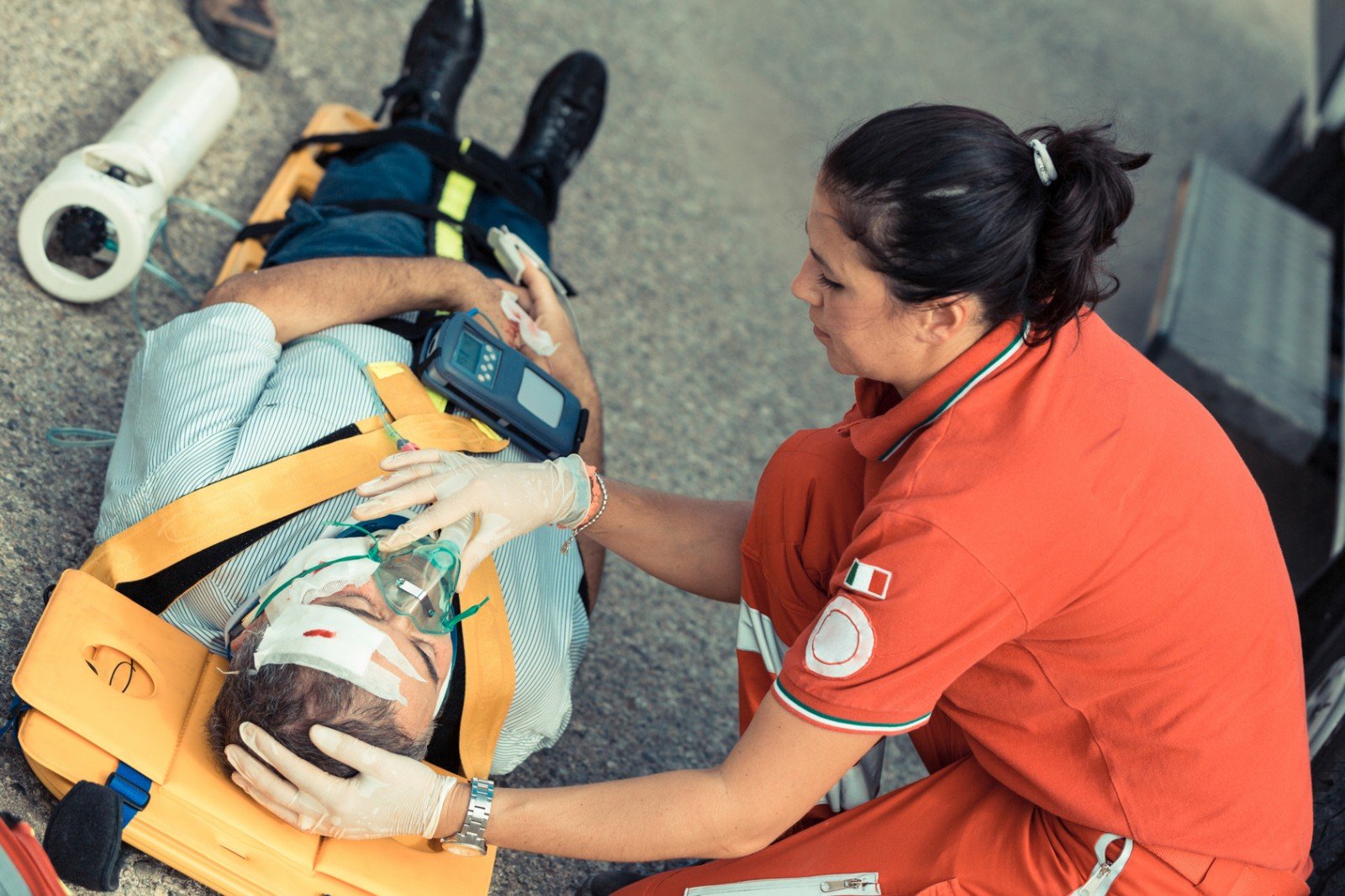
The Critical Need for Maritime Accident Awareness
When a maritime professional or a passenger sustains an injury on board, understanding the mechanics of the accident is the first step toward recovery. Gaining clarity on how and why an incident occurred empowers victims to move from a state of uncertainty to informed decision-making. This knowledge is fundamental in identifying liability and determining the specific types of financial compensation available under federal law.
Frequent Categories of Onboard Accidents
Life at sea involves a complex mix of heavy machinery, unpredictable environments, and high-risk operations. Most shipboard accidents are the result of a combination of human error, technical failure, or inadequate safety protocols. Common incidents include:
-
Slip and Fall Incidents: Surfaces made hazardous by water, oil, or uneven decking frequently lead to fractures and head injuries.
-
Machinery Malfunctions: Operations involving winches, cranes, and engines pose risks of crushing injuries or amputations if not properly maintained.
-
Navigation Failures: Collisions and groundings often stem from communication breakdowns or technical errors.
-
Fire and Explosion Risks: Leaking fuel or hazardous cargo can lead to catastrophic events at sea.
-
Man Overboard Situations: Often caused by a lack of safety barriers or reckless maneuvers in heavy weather.
-
Cargo Handling Mishaps: Shifting loads during transit or loading can cause severe trauma to dockworkers and crew.
Each of these scenarios triggers different legal frameworks depending on the status of the victim (seaman, passenger, or contractor).
Legal Frameworks Protecting Maritime Victims
Because maritime activities often fall outside traditional state jurisdictions, specialized federal laws have been established to protect those injured on navigable waters. These laws provide avenues for compensation that exceed standard land-based workers’ compensation.
Key protections include:
-
The Jones Act: Allows crew members („seamen”) to sue employers for negligence to recover medical costs and lost earnings.
-
Longshore and Harbor Workers’ Compensation Act (LHWCA): Provides disability and medical benefits for dockworkers and shipbuilders.
-
Maintenance and Cure: A „no-fault” obligation requiring shipowners to provide medical care and basic living expenses until a worker reaches maximum recovery.
-
General Maritime Law: Covers gaps in specific statutes, allowing for claims based on the „unseaworthiness” of a vessel.
Essential Protocol Following a Maritime Injury
The actions taken immediately after an accident are vital for both health and future legal claims. Maritime law requires specific documentation and timely reporting to preserve the right to compensation.
Recommended Steps:
-
Prioritize Medical Care: Seek an evaluation immediately, regardless of how minor the injury seems.
-
Formal Reporting: Notify the captain or employer in writing to create an official record.
-
Evidence Collection: Document the scene and collect contact information from witnesses.
-
Record Keeping: Save all medical documentation, billing, and incident-related correspondence.
-
Legal Consultation: Consult with a maritime specialist before discussing settlements or signing statements for insurance adjusters.
An experienced maritime attorney can navigate the labyrinth of insurance protocols and federal paperwork, ensuring that injured parties receive the full scope of benefits and damages they are entitled to.
MIAMI – A legal battle has erupted against Royal Caribbean after a 35-year-old passenger, Michael Virgil, died during a December 2024 voyage. The lawsuit, filed in Miami federal court by his fiancée, Connie Aguilar, alleges that the cruise line’s negligence in over-serving alcohol and the crew’s subsequent use of excessive force led to the man’s death.
The Incident: Excessive Alcohol and Physical Restraint
According to the legal filing, Virgil was on a roundtrip cruise from Los Angeles to Ensenada, Mexico, when crew members on the Navigator of the Seas allegedly served him at least 33 alcoholic beverages. The lawsuit claims that despite showing clear signs of intoxication, Virgil continued to be served until he became disoriented and agitated while searching for his cabin.
The situation escalated when security personnel intervened. The lawsuit alleges that crew members tackled Virgil and applied their full body weight to him in a „prolonged prone restraint.” This physical compression, combined with the administration of a sedative and pepper spray at the captain’s request, reportedly caused respiratory failure and cardiac arrest.
Medical Findings and Evidence
The Los Angeles County Medical Examiner has officially ruled Virgil’s death a homicide. The autopsy cited a combination of factors:
-
Mechanical Asphyxia: Impaired breathing caused by external physical force.
-
Contributory Factors: Alcohol intoxication, obesity, and an enlarged heart.
While bystander video captured Virgil behaving aggressively—kicking doors and shouting threats—witnesses also noted the severity of the response. Christopher McHale, a passenger who recorded part of the encounter, stated that while Virgil was agitated, „he just needed some help” and did not deserve to die in that manner.
Allegations of Corporate Negligence
The lawsuit centers on several key claims against Royal Caribbean:
-
Violation of Maritime Law: Carriers are legally obligated to supervise passengers who may pose a danger to themselves or others.
-
Aggressive Alcohol Sales: The filing accuses the cruise line of designing ships to maximize alcohol consumption while failing to train staff on when to cut off intoxicated guests.
-
Inadequate Medical Care: Aguilar alleges that the ship’s medical team lacked the necessary skills and licenses to handle such a critical emergency.
Royal Caribbean, headquartered in Miami, has not yet issued a formal response to the allegations. The plaintiff is seeking unspecified damages and a trial by jury.
Source: Compiled from court filings and Associated Press reports.