
-
Phone:
+1 203 212 9934 -
E-mail:
contact@europeancrewcenter.com
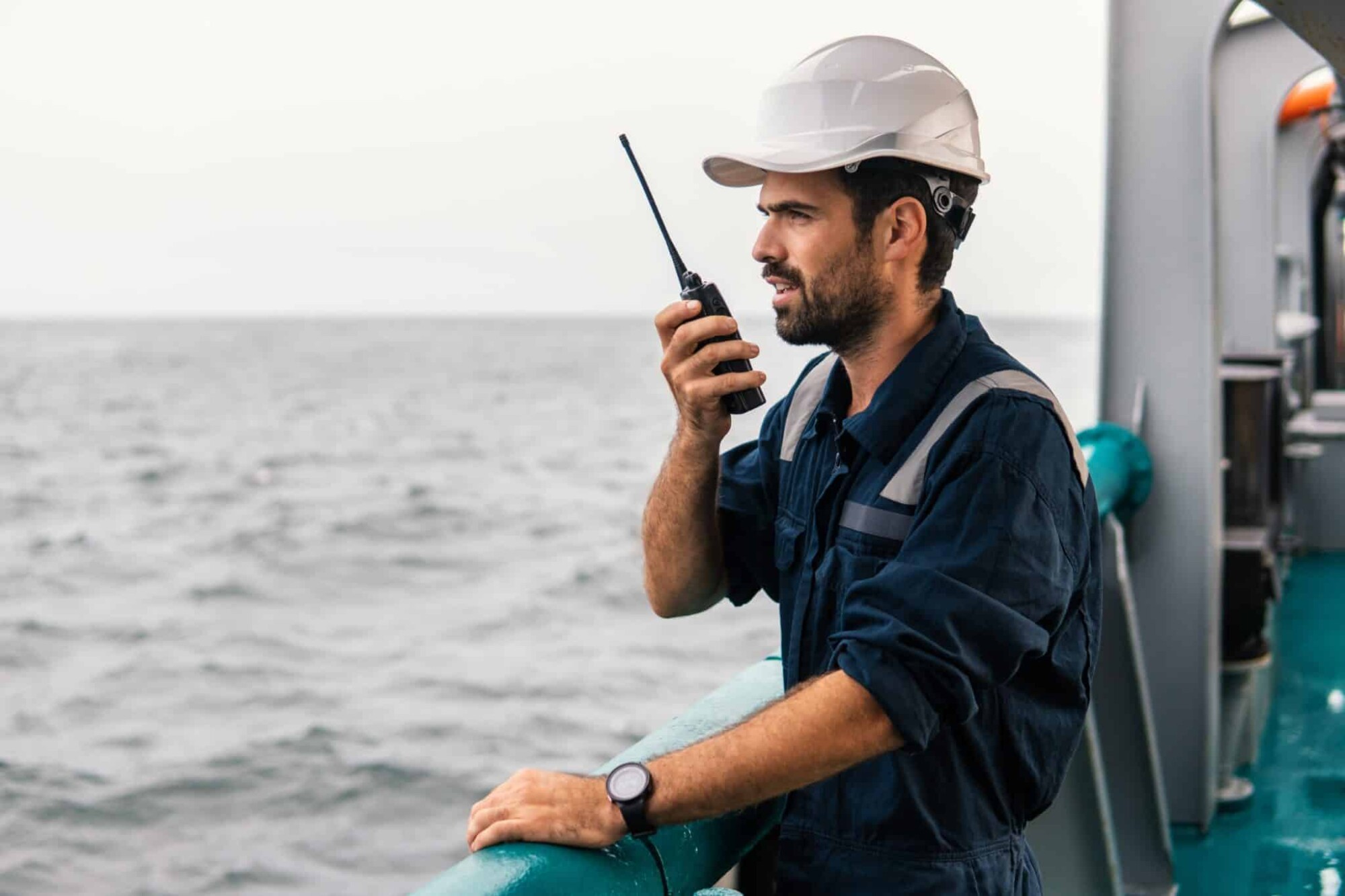
The Reality of Hazardous Work Environments at Sea
As a crew member on a cruise ship, you are entitled to a workplace that is as safe and secure as reasonably possible. While the goal is to operate without incident, the unique nature of a cruise ship presents various inherent risks. Like any other industrial environment, these vessels must be meticulously organized to prevent accidents. Issues such as improperly dried floors or overloaded storage shelves frequently lead to slips, trips, and injuries from falling objects.
Threats Posed by Inadequate Safety Protocols
Insufficient safety measures are a primary cause of crew injuries. Employers are mandated to implement strict protocols to mitigate risks, yet several common failures persist in the industry:
-
Manual Handling Strains: Crew members are often required to move excessive amounts of luggage without the aid of dollies, straps, or additional personnel, leading to debilitating back injuries.
-
Kitchen and Dining Hazards: The absence of non-slip mats in galleys or the lack of functioning trolleys for heavy restaurant trays creates a high-risk environment for falls and musculoskeletal damage.
-
Medical Negligence („Failure to Treat”): A recurring issue is the failure to provide proper medical care. Often, injured crew members are sent back to work with only painkillers, which frequently exacerbates the original injury.
The Long-Term Impact of Workplace Injuries
Injuries sustained at sea have profound physical, emotional, and financial consequences. Even a minor incident can create a „ripple effect” that alters a person’s life and the lives of their family members.
-
Physical & Financial: Certain injuries result in permanent limitations, drastically reducing future earning potential and sometimes making it impossible to return to maritime work.
-
Emotional: The trauma of a workplace accident can lead to anxiety, depression, and Post-Traumatic Stress Disorder (PTSD), adding therapy costs to an already heavy financial burden.
Focus: Back Injuries in the Maritime Industry
Back injuries are the most prevalent and severe health issues facing cruise ship staff. The physical demands of lifting heavy luggage, balancing large trays, and performing repetitive tasks put immense strain on the spine. These injuries range from simple muscle sprains to catastrophic herniated discs and spinal cord damage.
Recovery is often a prolonged process involving physical therapy, medication, or surgery. Because these injuries can be life-altering, it is crucial for cruise lines to enforce ergonomic standards. Crew members who suffer such injuries due to employer negligence have the legal right to seek compensation for their pain, medical bills, and lost income.
Legal Protections Under Maritime Law
The rights of individuals working at sea are governed by Admiralty Law. These regulations provide the framework for safety standards and employee protections within the international cruise industry.
-
The Jones Act: This essential federal law provides injured seamen the right to seek compensation for medical expenses (known as „cure”) and basic living costs (known as „maintenance”) during their recovery.
-
Flags of Convenience: It is important to note that many cruise lines register ships in foreign countries to bypass strict U.S. regulations. This practice often results in poorer working conditions and fewer inherent rights for the crew, making specialized legal knowledge essential for navigating claims.
Procedural Steps Following an Onboard Accident
If you are injured while working on a ship, the actions you take immediately following the event are critical:
-
Seek Medical Attention: Visit the ship’s infirmary immediately and request a formal medical report.
-
Incident Reporting: Obtain a copy of the official incident report from the ship’s authorities.
-
Exercise Caution: While you must notify your employer, avoid making verbal or written statements that could be interpreted as admitting fault for the accident.
-
Legal Review: Consult with a maritime legal specialist to understand your rights before discussing settlement offers with insurance adjusters or the cruise line’s representatives.
Source: Lipcon, Margulies & Winkleman, P.A. (www.lipcon.com)
Formular cerere ofertă