
-
Phone:
+1 203 212 9934 -
E-mail:
contact@europeancrewcenter.com
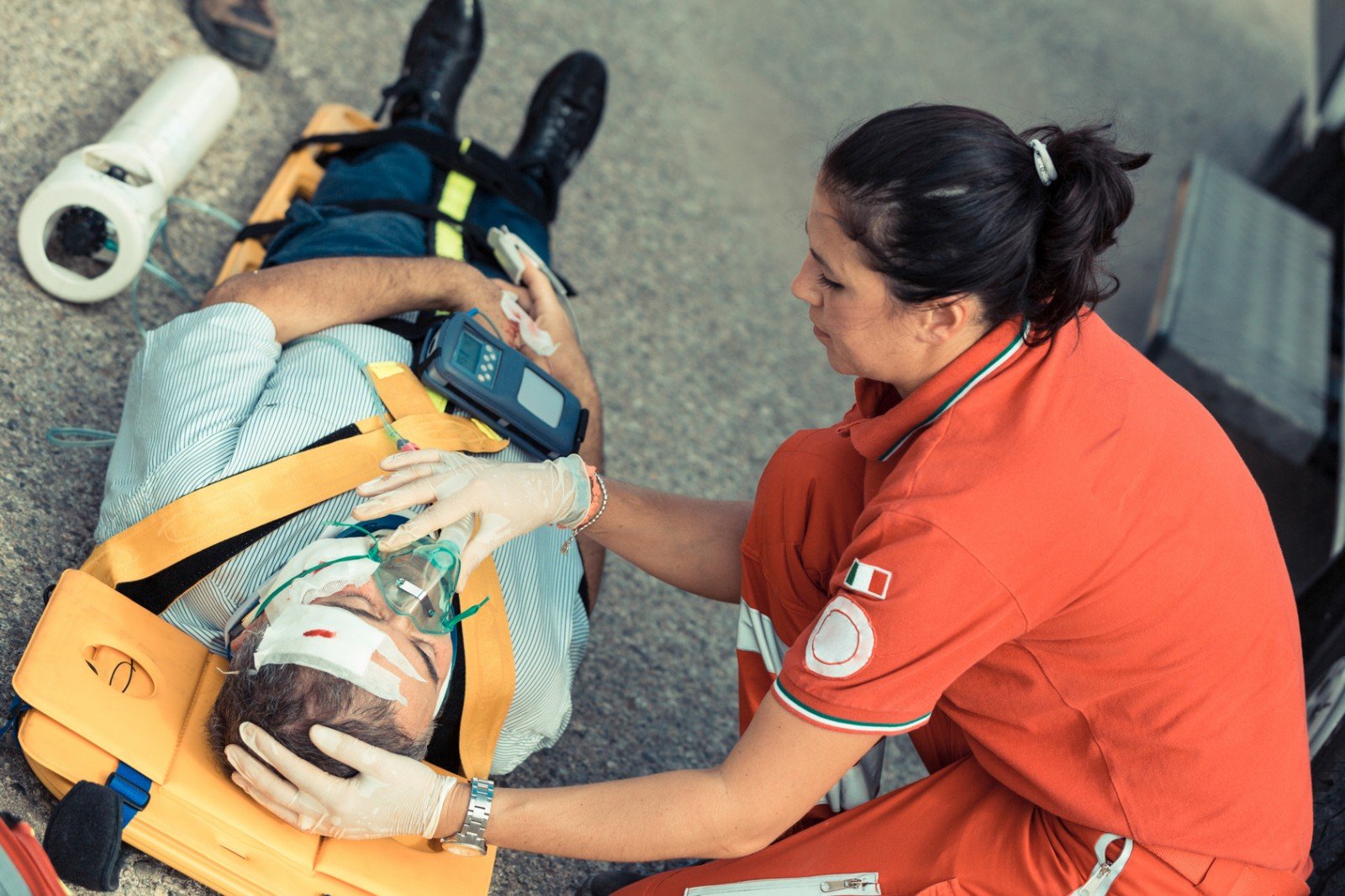
The Critical Need for Maritime Accident Awareness
When a maritime professional or a passenger sustains an injury on board, understanding the mechanics of the accident is the first step toward recovery. Gaining clarity on how and why an incident occurred empowers victims to move from a state of uncertainty to informed decision-making. This knowledge is fundamental in identifying liability and determining the specific types of financial compensation available under federal law.
Frequent Categories of Onboard Accidents
Life at sea involves a complex mix of heavy machinery, unpredictable environments, and high-risk operations. Most shipboard accidents are the result of a combination of human error, technical failure, or inadequate safety protocols. Common incidents include:
-
Slip and Fall Incidents: Surfaces made hazardous by water, oil, or uneven decking frequently lead to fractures and head injuries.
-
Machinery Malfunctions: Operations involving winches, cranes, and engines pose risks of crushing injuries or amputations if not properly maintained.
-
Navigation Failures: Collisions and groundings often stem from communication breakdowns or technical errors.
-
Fire and Explosion Risks: Leaking fuel or hazardous cargo can lead to catastrophic events at sea.
-
Man Overboard Situations: Often caused by a lack of safety barriers or reckless maneuvers in heavy weather.
-
Cargo Handling Mishaps: Shifting loads during transit or loading can cause severe trauma to dockworkers and crew.
Each of these scenarios triggers different legal frameworks depending on the status of the victim (seaman, passenger, or contractor).
Legal Frameworks Protecting Maritime Victims
Because maritime activities often fall outside traditional state jurisdictions, specialized federal laws have been established to protect those injured on navigable waters. These laws provide avenues for compensation that exceed standard land-based workers’ compensation.
Key protections include:
-
The Jones Act: Allows crew members („seamen”) to sue employers for negligence to recover medical costs and lost earnings.
-
Longshore and Harbor Workers’ Compensation Act (LHWCA): Provides disability and medical benefits for dockworkers and shipbuilders.
-
Maintenance and Cure: A „no-fault” obligation requiring shipowners to provide medical care and basic living expenses until a worker reaches maximum recovery.
-
General Maritime Law: Covers gaps in specific statutes, allowing for claims based on the „unseaworthiness” of a vessel.
Essential Protocol Following a Maritime Injury
The actions taken immediately after an accident are vital for both health and future legal claims. Maritime law requires specific documentation and timely reporting to preserve the right to compensation.
Recommended Steps:
-
Prioritize Medical Care: Seek an evaluation immediately, regardless of how minor the injury seems.
-
Formal Reporting: Notify the captain or employer in writing to create an official record.
-
Evidence Collection: Document the scene and collect contact information from witnesses.
-
Record Keeping: Save all medical documentation, billing, and incident-related correspondence.
-
Legal Consultation: Consult with a maritime specialist before discussing settlements or signing statements for insurance adjusters.
An experienced maritime attorney can navigate the labyrinth of insurance protocols and federal paperwork, ensuring that injured parties receive the full scope of benefits and damages they are entitled to.
Formular cerere ofertă