
-
Phone:
+1 203 212 9934 -
E-mail:
contact@europeancrewcenter.com
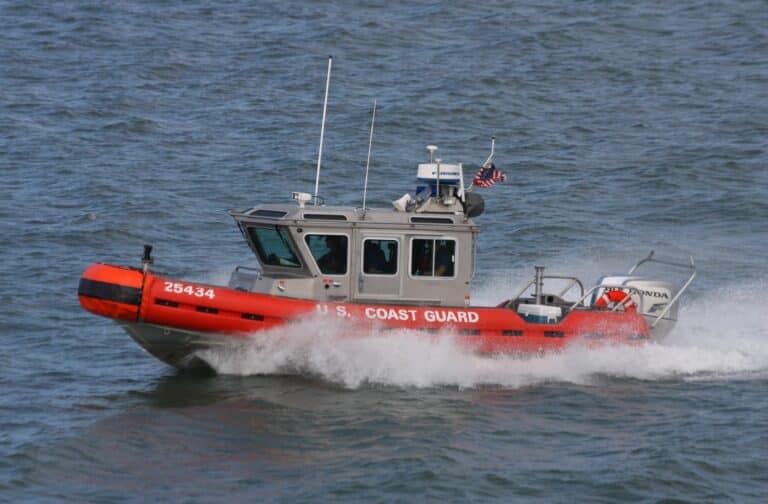
Accidents involving U.S. Coast Guard boats are frequently the result of high-speed maneuvers or improper vessel handling. Operating these powerful crafts at excessive speeds significantly elevates the risk of losing control, often leading to violent collisions with civilian boats, stationary docks, or submerged hazards. Such incidents typically occur during high-stakes patrols, emergency response missions, or training drills where safety protocols might be overlooked in the heat of the moment. These crashes often result in catastrophic injuries, fatalities, and extensive property damage.
While the Coast Guard is tasked with enforcing maritime safety, they are not above the law. Identifying the root cause of these accidents is the first step toward ensuring accountability when negligence is a factor. At Lipcon, Margulies & Winkleman, P.A., our legal team is prepared to pursue full compensation for victims facing mounting medical expenses, lost wages, and property repairs due to a Coast Guard-related incident.
Key Laws and Statutes Governing Coast Guard Operations
Coast Guard activities on U.S. waters are governed by a complex framework of federal and international regulations. These standards define the operational boundaries and safety expectations for every mission:
-
14 U.S. Code § 504: This statute grants the Coast Guard its general authority to conduct law enforcement and safety operations.
-
The Jones Act (Merchant Marine Act of 1920): Primarily protecting maritime workers, this act involves the Coast Guard in a critical regulatory capacity.
-
Federal Boating Safety Act: Sets the baseline for recreational safety, which the Coast Guard is responsible for enforcing.
-
COLREGs (International Regulations for Preventing Collisions at Sea): These are the „rules of the road” for international waters. Coast Guard vessels must follow these regarding right-of-way, signaling, and maintaining a safe speed.
-
U.S. Inland Navigation Rules: Specialized rules for safe transit within rivers, harbors, and lakes.
-
Standard Operating Procedures (SOPs): Internal Coast Guard protocols that dictate everything from vessel maintenance to crew communication and emergency drills.
-
Alcohol and Drug Policies: Strict federal mandates that prohibit the operation of any vessel under the influence, supported by mandatory testing.
While not every maritime accident is caused by a legal violation, a significant portion are. Our firm conducts exhaustive investigations into every collision to determine if any of these statutes were breached. If evidence of negligence is found, we utilize it as the foundation of a robust claim to hold the responsible parties liable.
Legal Recourse for Victims of Coast Guard Incidents
Individuals and families affected by a Coast Guard accident possess specific legal rights, including the right to sue for damages resulting from wrongful or negligent actions. Success in these cases generally requires proving „fault”—demonstrating that the Coast Guard personnel failed to act with reasonable prudence, directly causing the injury or loss.
When fault is established, victims may be eligible to recover compensation for:
-
Economic Damages: Comprehensive medical bills and lost current and future income.
-
Non-Economic Damages: Pain, suffering, and emotional distress.
-
Wrongful Death Claims: Funeral costs and loss of companionship for grieving families.
Navigating a claim against a federal entity requires specialized expertise. As the nation’s leading maritime law firm, we help families identify legal exceptions and build a compelling case to ensure they receive the maximum compensation allowed by law.
Source: Lipcon, Margulies & Winkleman, P.A. (www.lipcon.com)
Formular cerere ofertă